WHO WE ARE
The Network enjoys strong support from social democratic, progressive, and left political parties, and maintains long standing partnerships with European and international organisations.
MISSION
To empower women and integrate gender equality into the strategies, policies, and programmes of centre left, progressive, and social democratic political parties in transition countries across Central and Eastern Europe. This includes countering nationalism, patriarchalism, clericalism and conservative politics.
To strengthen through facilitation, coordination and expertise the cooperation and advocacy among socialdemocratic parties in the Western Balkans and their European outreach.
OUR CONSTITUENCY
WHAT WE DO - CORE ACTIVITIES
- Policy development & analysis: Strategies, election platforms, and policy guidance addressing political, economic, and social challenges facing women in post-conflict and transition contexts.
- Capacity building: supporting, upon demand, socialdemocratic foundations in the Western Balkans in their training, mentoring, and organisational development for women’s political forums and civil society partners.
- Advocacy & legislative alignment: supporting, upon demand, regional cooperation on harmonising national gender‑equality related legislation with EU standards and promoting gender‑sensitive policy frameworks.
- Regional networking: coordination of an active regional political socialdemocratic network, including digital platforms, linking women’s organisations and political actors.
- Knowledge production: annual flagship publications and reports on the status of women in the region.
- High‑level political dialogue: organisation of the Korčula School/think tank, a recognised regional political forum of progressive women and men leaders for strategic political debate on gender equality and democratic transformation.
OUR IMPACT: 30+ YEARS OF RESULTS
Phase I (1994–1997): Establishment & Strategic Foundations
- Network established with a clear strategy, workplan, and budget.
- Partnerships built with feminist networks, womens forims of socialdemocratic parties and institutions.
- Gender perspectives integrated into European Forum activities.
- Major regional conference in Prague with 100+ participants.
Phase II (1998–2000): Strengthening Feminist Advocacy and Policies in Progressive Parties
- Women’s wings established in newly formed SD and progressive parties.
- Quotas introduced in party statutes.
- Stronger political positions on reproductive rights, maternity/parental leave, and pension rights.
- Launch of Women Can Do It election training manual, applied widely in country elections.
Phase III (2000–2004): EU Enlargement & Think Tank Role
- Key partner of the OSCE Stability Pact Gender Task Force.
- Subregional offices established in Ljubljana, Budapest, and Tallinn.
- Legal quotas enacted in Bosnia and Herzegovina, Macedonia, Kosovo, and Slovenia.
- Strong representation of women MEPs from new EU member states.
Phase IV (2004–2009): Capacity Building & Policy Transfer
- Systematic capacity building with PES Women in 10 new EU member states.
- Transfer of best practices on childcare, reproductive rights, employment policies, and political empowerment.
- Support to NGO campaigns on violence against women.
- SD parties maintained 40% women MEPs.
Phase V (2010–2012): Crisis Response & Arab Spring Engagement
- Mentoring programmes addressing the gendered impact of the financial crisis.
- Launch of cooperation with progressive women in Arab Spring countries.
- Establishment of the Korčula School as a high‑level regional platform for policy analysis and alignment especially on gender equality among socialdemocratic partiers in the region.
Phase VI (2012–2018): Consolidation & International Recognition
- Creation of the CEE Regional Gender Equality Platform signed by all political leaders and parties in the region and European partners (2015).
- Associate organization in the PES
- Full membership in PES Women (ex officio member of the Executive)
- Membership in FEPS and in its Scientific Council
- Special status in Solidar
- Gender equality toolkit for political leaders developed
- Korčula School expanded with thematic focus on politics, violence, migration, and intergenerational solidarity
- Active participation in Rethinking Europe – Europe 2030 and the NATO Civil Society Panel on Women, Peace and Security
Phase VII (2019-2025)
- Korčula School expanded to become a regional socialdemocratic and progressive cooperation hub on country and regional politics through a gender lens
- Strategic inclusion of gender equality analysis, lessons learnt and policies into progressive and socialdemocratic party programmes
- Expansion of cooperation and political presence at the level of European socialdemocratic organisations – PES/PESW, FEPS, S&D Groups, SOLIDAR, Progressive Alliance and SIW among others
- Introduction of the CEE Gender Network Advisory Board based on parity to include political leaders from the region and in support of the Board
- Introduction of a three level Korčula School –
- Korčula School think tank in Korčula (end August);
- High Level Political Korčula School (2025 in Tirana, 2026 in Skopje) with political leaders;
- thematic Korčula School with parties/foundations on demand.
WHY OUR WORK MATTERS
- Gender equality remains uneven across the region, especially in political representation, economic participation, and protection from violence.
- Progressive parties and civil society actors need sustained support to integrate gender equality into their policies and structures.
- Need to address the gender equality backlash and democratic backsliding in the region
- Regional cooperation is essential to counter anti‑gender movements and democratic backsliding.
- The Network provides continuity, expertise, and trusted relationships built over decades.
WHAT WE OFFER TO PARTNERS
- Proven track record of advocacy around political agendas and legislative reforms.
- Longstanding experience in supporting gender related challenges in post-conflict societies (peacemaking, peacebuilding and even conflict prevention) fostering cross-border cooperation among parties, mutual understanding and joint activities
- Deep regional networks across regional political parties, civil society, and international institutions.
- Evidence‑based methodologies and expertise for capacity building, advocacy, and policy development.
- Scalable programmes adaptable to diverse political contexts and needs.
- High‑visibility platforms such as the Korčula School think tank for regional strategic political dialogue and coalition‑building.
LOOKING AHEAD
-
The Network will continue to develop partnerships that support long‑term capacity building, policy innovation, and cross‑regional cooperation. The CEE Network is expanding its work on, especially through the Korčula School think tank:
- democratic resilience and countering anti‑gender narratives
- conflict prevention and addressing gender related challenges in post-conflict societies, encouraging democratic peacebuilding process e.g. in Ukraine and the neighbourhood
- gender‑responsive economic, social, care and labour policies including budgeting
- regional cooperation in the Western Balkans, CEE, and facilitating cooperation and coordination among socialdemocratic parties in the Western Balkans
- strengthening cooperation by providing expertise to socialdemocratic foundations in the region
- strengthening women’s leadership in peace, security, and crisis response in cooperation with European and international organizations especially the Progressive Alliance, SI Women, FEPS and others
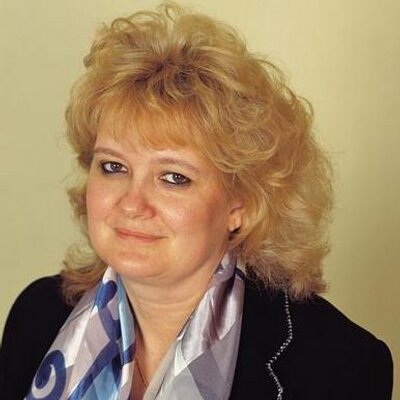
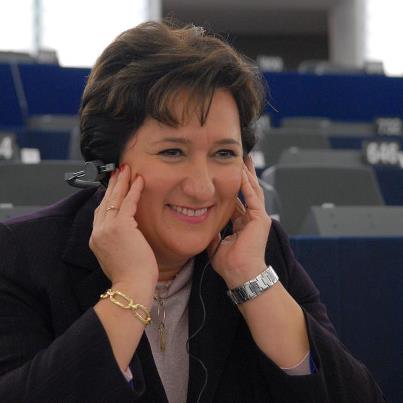
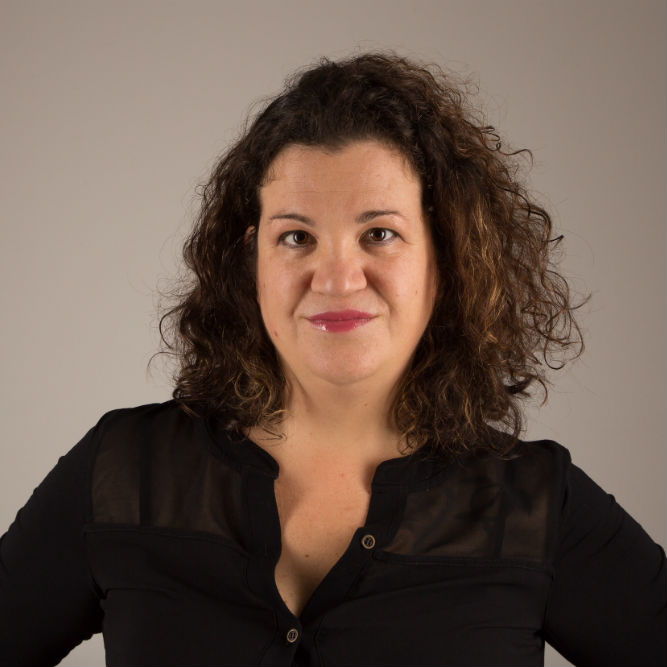
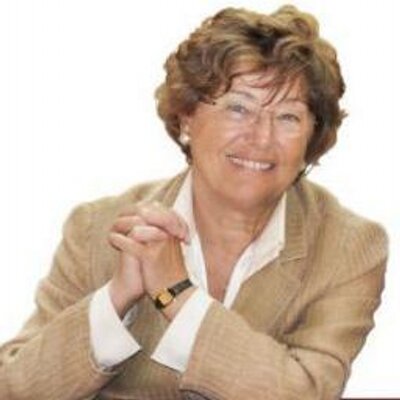
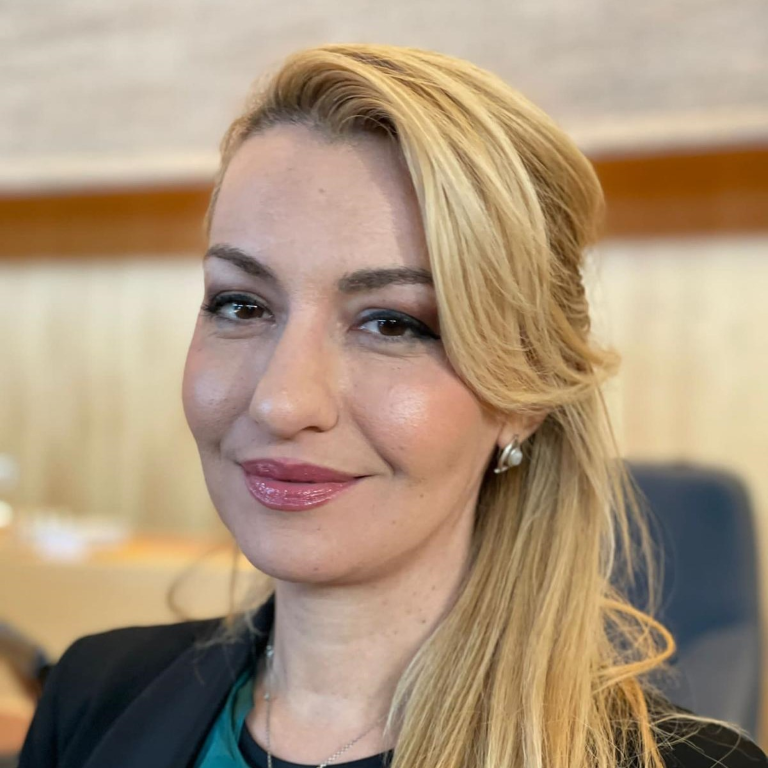
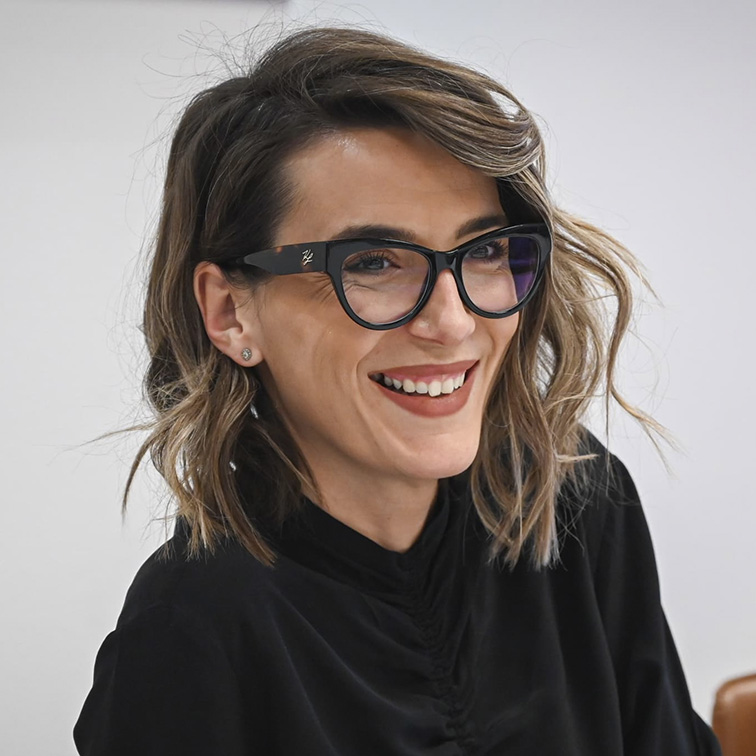
INTERNATIONAL BOARD:
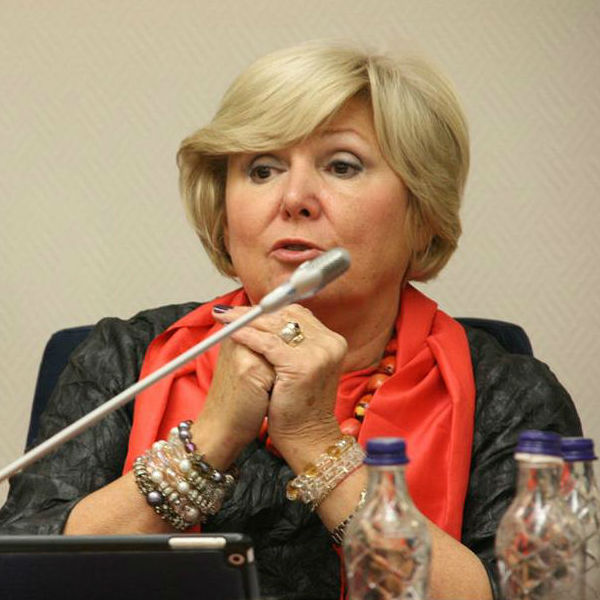
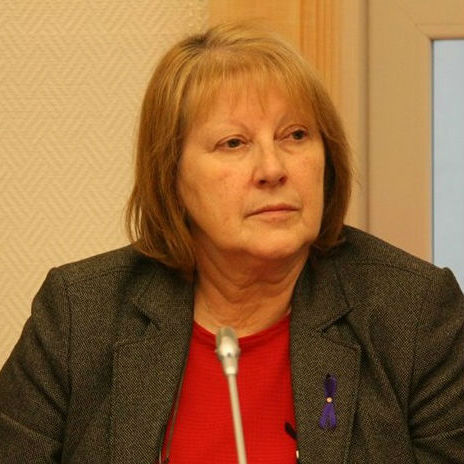
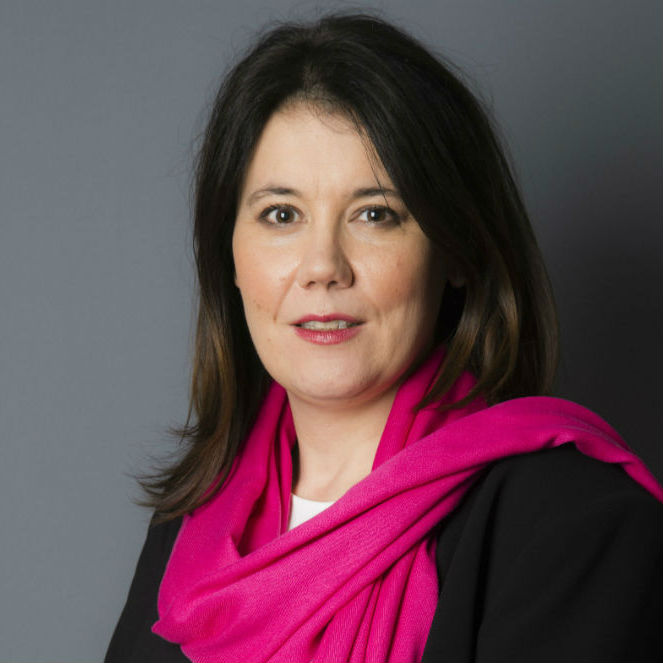
ADVISORY COUNCIL:
- Jonas Andersson, Ex officio - Programme Manager, Western Balkans, Olof Palme International Center Sweden
- Pavle Bogoevski - Former Programme Director, Progres Institute North Macedonia, Member CEE Gender Network Board
- Uroš Jaušovec - Executive Director, Progresive Slovenia
- Kido Koenig, Ex officio - General Secretary, European Forum for Democracy and Solidarity
- Saša Magazinović - Memeber of the House or Representatives of the Parliamentary Assembly of Bosnia and Herzegovina
- Nataša Milojević - President FOSDI, Serbia
- Martina Naumovska - WF SDSM, North Macedonia
- Ranko Ostojić - Vice President, SDP Croatia, former Deputy Prime Minister of Croatia
- Ledjon Shahini - Executive Director, Qemal Stafa Foundation, Albania
- Aleksandar Spasov, Chair - Professor, Faculty of Law, Skopje
- Borko Stefanović - Memeber of Parliament, Deputy President of the Party of Freedom and Justice, Serbia
- Ivan Vujović - President SDP Montenegro
- Nina Unesi - General Secretary, S-Kvinnor, Sweden
- Visar Ymeri - Institute for Social Studies, Pristina, former leader of the Socialdemocratic Party of Kosovo
- Jure Zučić - SDP Croatia
The Council members consult and cooperate virtually throughout the year and/or at various events. A face-to-face annual meeting is held at year end for evaluation and strategy setting purposes.
MANAGEMENT TEAM: